Smart city
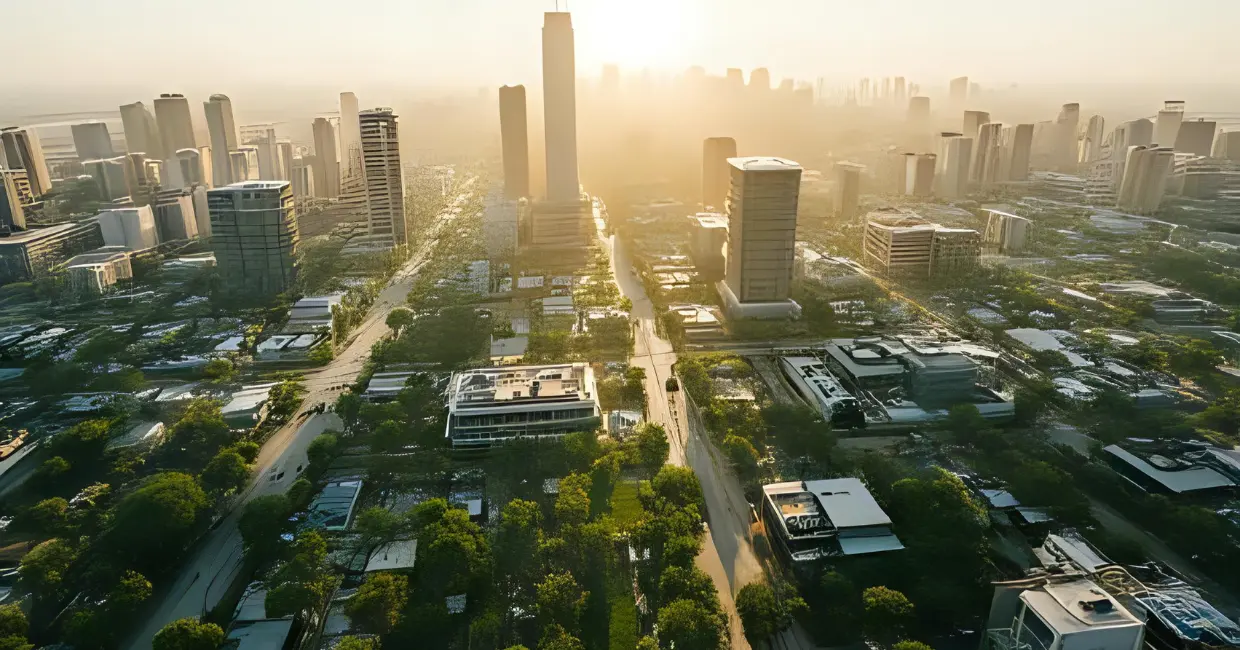
A smart city (or smart city in French) is a city that uses digital technologies and data to improve citizens' quality of life, optimize resource management, and make urban services more efficient and sustainable. These concepts are closely related, but have their own nuances. We can also speak of "smart territories" for low-density areas.
Benefits
Less pollution
Less energy wasted
Better quality of life
More efficient services
Disadvantages / Challenges
Personal data protection issues
High installation costs
Unequal access to technology











Key features of a smart city
Intelligent resource management
Water, electricity, waste, street lighting, etc. are managed by sensors and automated systems, with the aim of reducing waste and saving energy.
Intelligent mobility
Connected public transport, self-service bikes and scooters, traffic optimized via traffic sensors. The aim: to make travel more fluid and reduce CO₂ emissions.
Participatory governance
Digital tools to consult citizens, receive their opinions or reports, improve transparency.
Intelligent security and surveillance
Connected cameras, warning sensors, rapid intervention systems.
Connected infrastructures
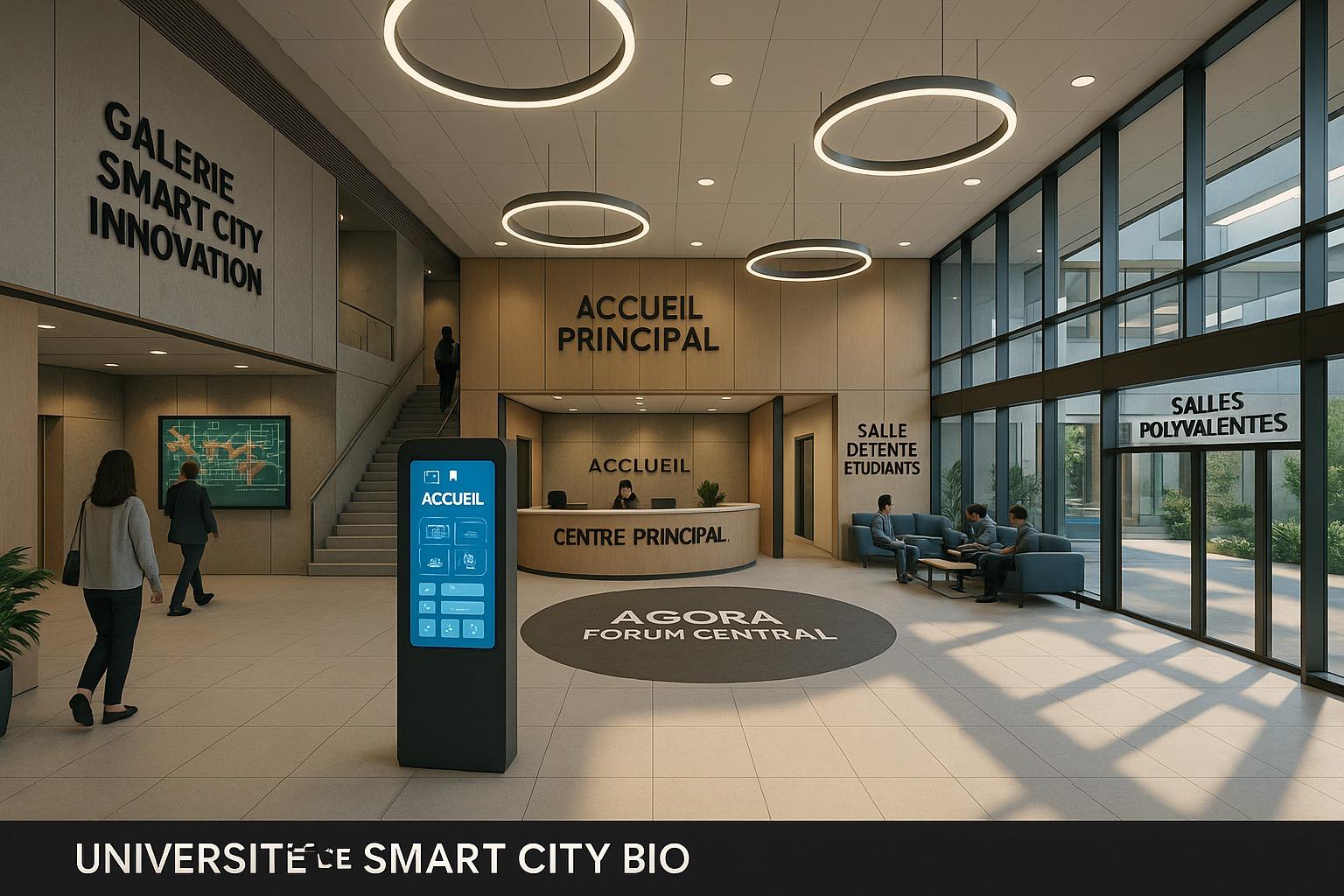
Smart buildings, interactive kiosks, Internet of Things (IoT) networks.
Open Data
Cities share public data (traffic, pollution, urban planning...) to encourage innovation and transparency.